Provide high-quality products and excellent services to customers around the world.

-
PRODUCT
-

Thin Section Ball Bearings
Release time:
2025-05-20 11:20
Thin section ball bearings are engineered for applications where space is limited, yet high performance is essential.
Thin section ball bearings are engineered for applications where space is limited, yet high performance is essential. They are characterized by their reduced cross-section, which makes them significantly lighter and more compact than traditional bearings. This unique design allows for improved integration within tight spaces in machinery while maintaining high load capacities and operational efficiency.
One of the primary advantages of thin section ball bearings is their weight-to-load ratio. They are capable of supporting radial, axial, and moment loads, making them an ideal choice for applications ranging from aerospace to medical devices. Their lightweight yet robust construction allows for smoother operation, reduced energy consumption, and extended service life, all of which are critical factors in industrial equipment and components.
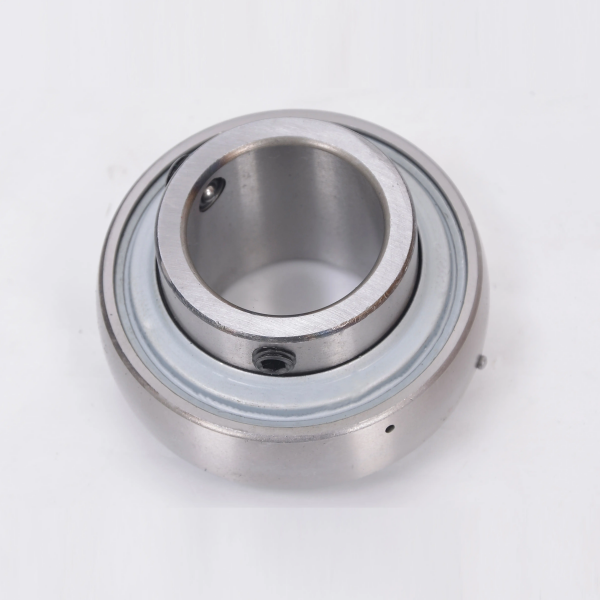
The design of thin section ball bearings often incorporates a variety of materials, including stainless steel, ceramics, and plastics. Each material offers distinct benefits such as corrosion resistance, enhanced durability, or reduced friction. The choice of material should be aligned with the specific operational environment and requirements of the application. For example, stainless steel is commonly used in environments where moisture is present, while ceramic bearings may be selected for applications requiring lower weight and higher speeds.
When selecting thin section ball bearings, several factors should be considered to ensure optimal performance. The bearing’s internal design, including the number of balls and raceway profiles, can significantly impact load distribution and fatigue life. Additionally, the precision rating of the bearing—often categorized as ABEC (Annular Bearing Engineers' Committee) or ISO (International Organization for Standardization)—should correspond to the level of accuracy required in your application.
It's also essential to understand the lubrication needs of thin section ball bearings. Proper lubrication minimizes friction and wear, ensuring efficient operation. Depending on the application, different lubrication types are available, including grease, oil, or dry lubricants. Choosing the right lubrication method can enhance the bearing’s reliability and longevity.
In conclusion, thin section ball bearings are pivotal in modern industrial machinery, offering a unique blend of compact design, high performance, and versatility. By understanding their characteristics, material options, and selection criteria, professionals can make informed decisions that enhance operational efficiency and equipment reliability. This knowledge is crucial for anyone involved in the design, selection, or maintenance of industrial equipment and components in the bearing industry.
Related blogs
CONTACT US
Address:Room 2-A010, Building 26, Zone 3, Times Headquarters Base, No. 15, Lanxiang Road, Tianqiao District, Jinan City, Shandong Province

PRODUCTS
◆
◆
Copyright © Shandong Aifule Precision Bearing Co., Ltd.